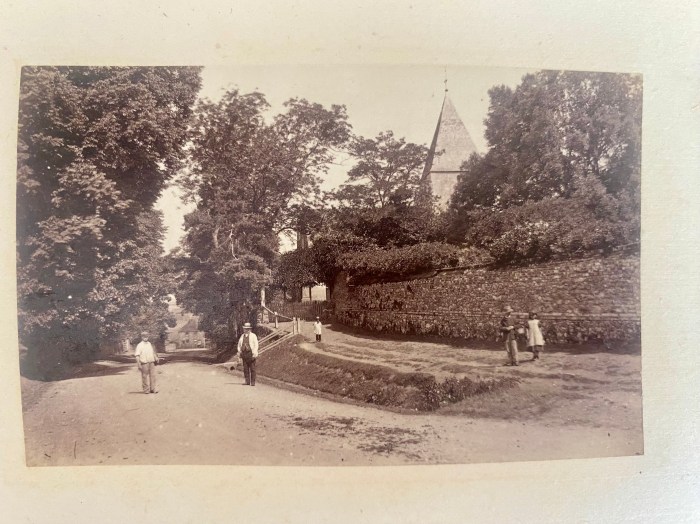
St Peter's Church Limpsfield 1879

How much do you know about Limpsfield’s history?

Limpsfield Village, the Common and Chart is an area steeped in history—from its Domesday origins and medieval timber-framed buildings to its 19th-century convalescent homes, Arts and Crafts churches, Roman roads, and wartime heritage.

St Peter’s churchyard is a significant resting place for celebrated musicians and local notables, while Limpsfield Chart and Common offer insight into centuries of rural life, industry, and community stewardship.

Continue reading “How much do you know about Limpsfield’s history?”
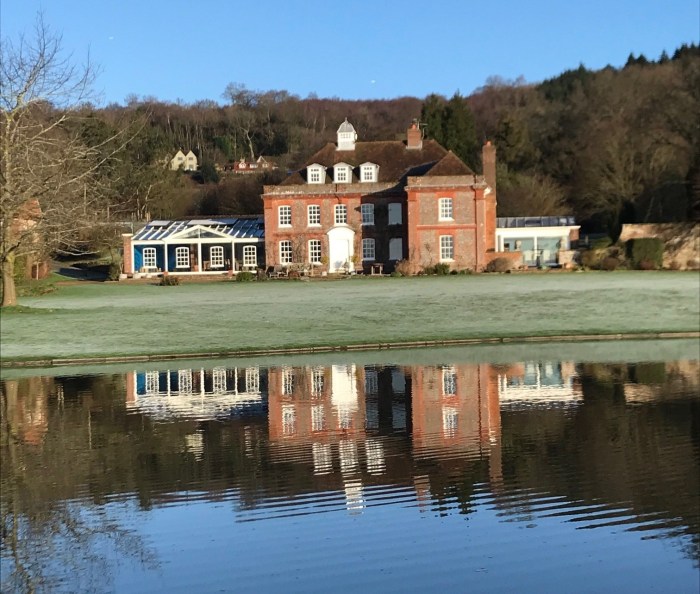
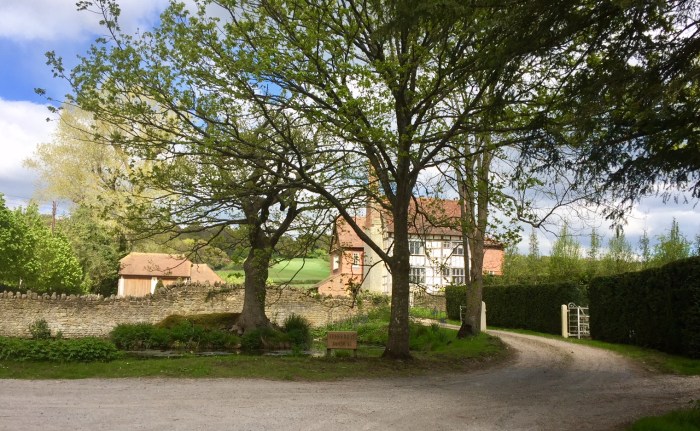
Trevereux Manor, Limpsfield, courtesy of Richard Stilgoe

Trevereux – the House They Cannot Spell

Following on from our article on Mary Emma Cox’s Victorian Photo Album, in this brilliant guest article, Limpsfield Chart resident and national treasure, Richard Stilgoe traces the colourful and often chaotic history of Trevereux Manor—the grand old house whose name has baffled spellers for centuries.

Eschewing a dry account of architectural changes, Stilgoe focuses on the people who shaped its story, from Roman settlers and medieval knights to Jane Austen-style romances and fifties pop stars. Through tales of wartime sieges, thunderstorm courtships, and Rolls-Royce rebuilds, we meet a cast as diverse as the house’s many spellings. With warmth and wit, Stilgoe takes us from the Manor’s earliest days to its near-destruction in a dramatic 1989 fire, and finally to its loving restoration by his own family—proof that while the spelling of Trevereux may remain tricky, its charm is undebatable.

Continue reading “Trevereux – the House They Cannot Spell”
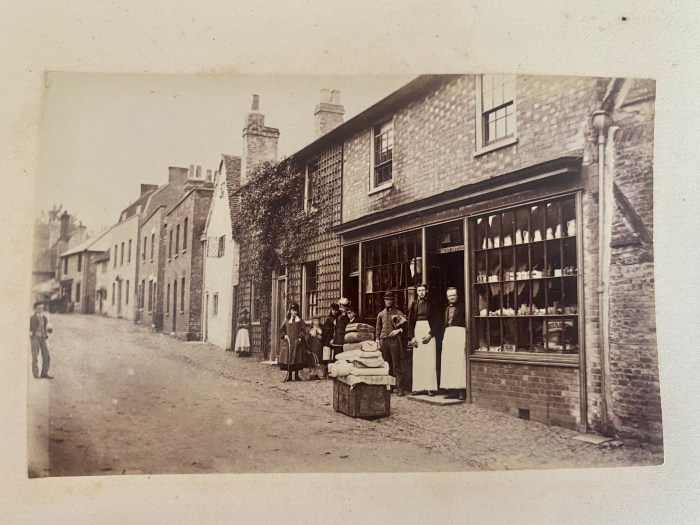
Post Office Limpsfield

A Victorian Photo Album and the Goldsworthy Legacy in Limpsfield

A year or so ago, I received a call from a lovely lady named Helen Goldsworthy from Farningham in Kent. Helen had been sorting through the belongings of her late husband, Malcolm Goldsworthy, when she discovered a remarkable treasure—a book of photographs capturing Limpsfield and the surrounding areas in the late 1800s.

Continue reading “A Victorian Photo Album and the Goldsworthy Legacy in Limpsfield”

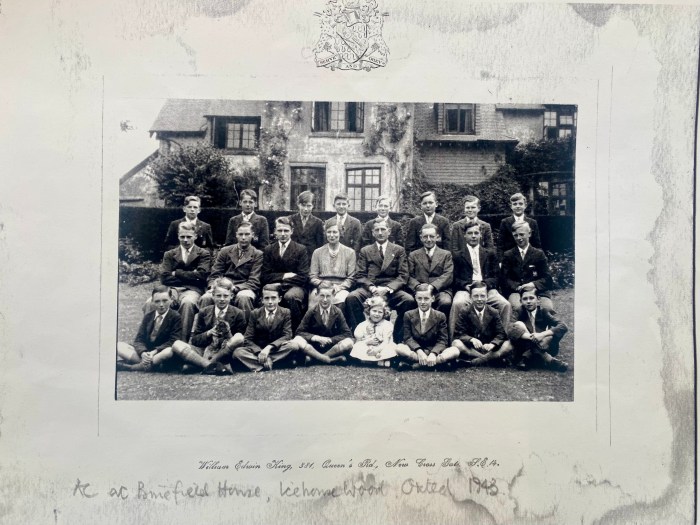
A Boy’s War: Two Evacuees’ Memories of Oxted & Limpsfield

Did you know that entire schools were evacuated from London to Oxted during the Second World War and Limpsfield Common was used for tank training exercises ahead of the D-Day landings?

When war loomed in 1939, thousands of children were evacuated from cities to the relative safety of the countryside—a moment etched in the memory of a generation. For Anthony Collins and Ken Clark, the first of September marked the beginning of a journey that would take them from south London to the quiet lanes of Oxted and Limpsfield in Surrey. Unlike the often-portrayed tearful toddlers with name tags, Ken and Anthony were part of the lesser-remembered wave of older schoolchildren—independent, observant, and full of curiosity.

In the run up to VE Day, 8 May and Surrey Day on 10 May, we’ll be running some fascinating accounts that depict life in wartime Oxted & Limpsfield… We hope you enjoy them.

Continue reading “A Boy’s War: Two Evacuees’ Memories of Oxted & Limpsfield”

Salvage and Secrecy: Everyday Contributions to Britain’s War Effort

During the Second World War, civilians across Britain played a vital role in supporting the war effort through ingenuity, cooperation, and sacrifice. Government campaigns encouraged people to collect and donate everyday items—many of which had surprisingly important military uses.

Continue reading “Salvage and Secrecy: Everyday Contributions to Britain’s War Effort”

Nursing on the Frontline: Wartime Memories from Oxted & Limpsfield Cottage Hospital

On August 18th, 1940—later known as The Hardest Day of the Battle of Britain—17-year-old probationer nurse J.H. Allen (née Banks) was just 18 days into her first posting at Oxted and Limpsfield Cottage Hospital when the sky above Surrey erupted into combat. She watched as a German Dornier and a British Hurricane clashed overhead, their fates sealed above Titsey Hill and Hurst Green. What followed was a vivid baptism into wartime nursing that would shape her early adult life and remain etched in memory forever.

In this deeply personal and richly detailed account, Allen recalls the extraordinary experiences of nursing during one of Britain’s most perilous times—treating Dunkirk survivors, civilian air raid casualties, and even a captured German pilot who offered her his Iron Cross and a chilling warning of gas attacks to come. Life at the hospital, nestled at the foot of the North Downs, brought moments of quiet heroism, close calls during bombing raids, and even a chance encounter with King George VI as he reviewed troops before their departure.

Continue reading “Nursing on the Frontline: Wartime Memories from Oxted & Limpsfield Cottage Hospital”

Tenchleys Manor – memories from childhood

When I was a little girl, I spent a lot of time at Tenchleys Manor, the then home of one of my childhood friends, Alexia.  I lived in a fairly old house myself on Trevereux Hill, but was in awe of the size, age and history of this ancient Manor House. It seemed enormous and spooky to me, then. It’s still huge of course, but not quite as spooky…at least during the day;)  Continue reading “Tenchleys Manor – memories from childhood”

Flashback Friday: White Mare Cottages, Limpsfield Chart

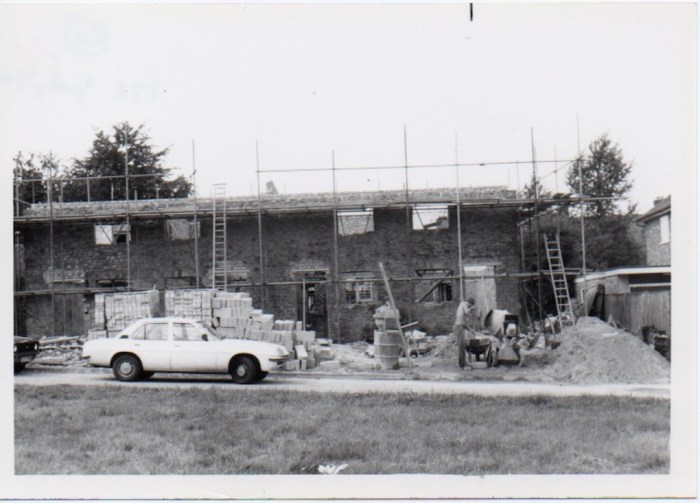
The lovely White Mare Cottages on Stoneleigh Road that overlook Limpsfield Chart and the National Trust land were first built in the 1800s, but by the 1970s they had fallen into disrepair and become largely derelict.

A local resident and business partner acquired all four cottages in 1980 and set about rebuilding them.  The photos were taken in May 1980 – 37 year ago – as building work started.     Continue reading “Flashback Friday: White Mare Cottages, Limpsfield Chart”

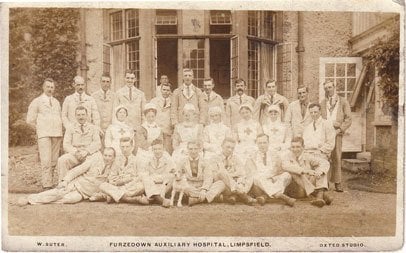
Furzedown, a lost Hospital

A hundred years ago, there were several hospitals and convalescent homes around Limpsfield, including St Michaels, Charing Cross (Trevereux Hill), Caxton House and Furzedown.  Below, David Claridge’s writes a short history of, Furzedown, A Lost Hospital, as published in the Limpsfield Parish News magazine.

Continue reading “Furzedown, a lost Hospital”

Flashback Friday: The Plumbers Arms

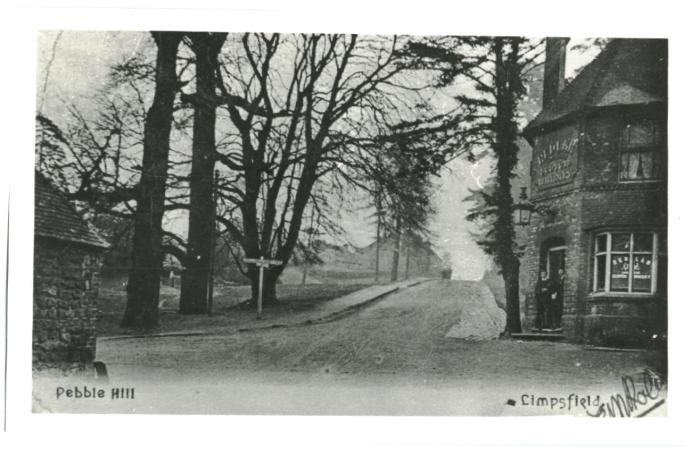
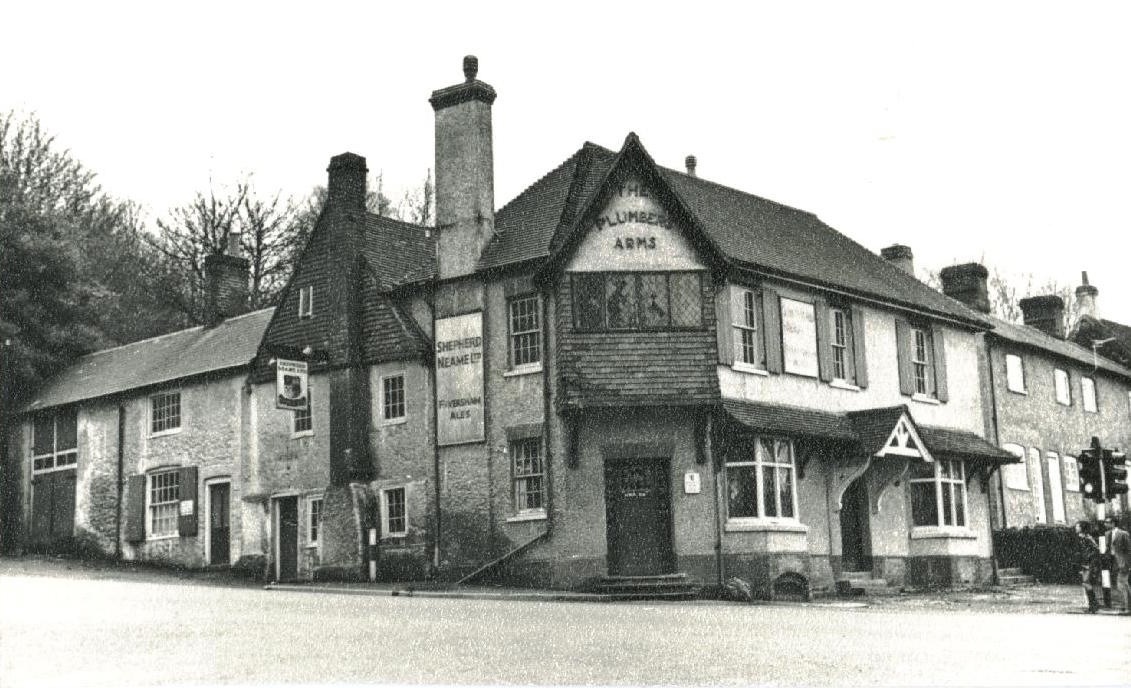
Recognise this junction? Now the Limpsfield High Street/Pebble Hill/Wolfs Row traffic lights, it used to be the site of The Plumbers Arms.

The Plumbers Arms 1950s
The Plumbers Arms in the 1950s – corner of Wolf’s Row & Pebble Hill (A25).