During the Second World War, civilians across Britain played a vital role in supporting the war effort through ingenuity, cooperation, and sacrifice. Government campaigns encouraged people to collect and donate everyday items—many of which had surprisingly important military uses.
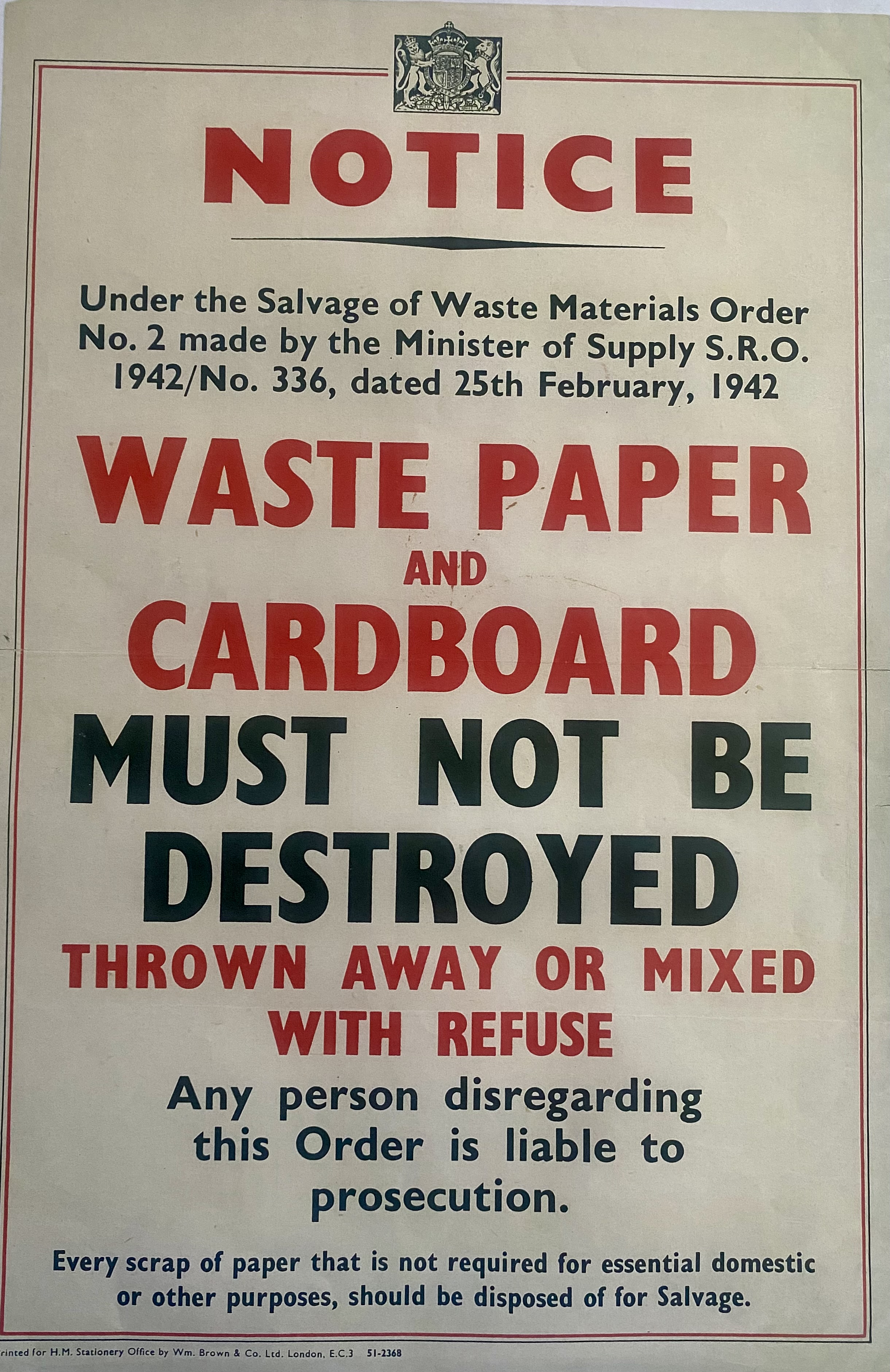
- Paper and cardboard were gathered in large quantities and repurposed for packaging munitions, producing government pamphlets, and manufacturing new paper goods. Schoolchildren were often involved, collecting waste paper from neighbours and businesses.
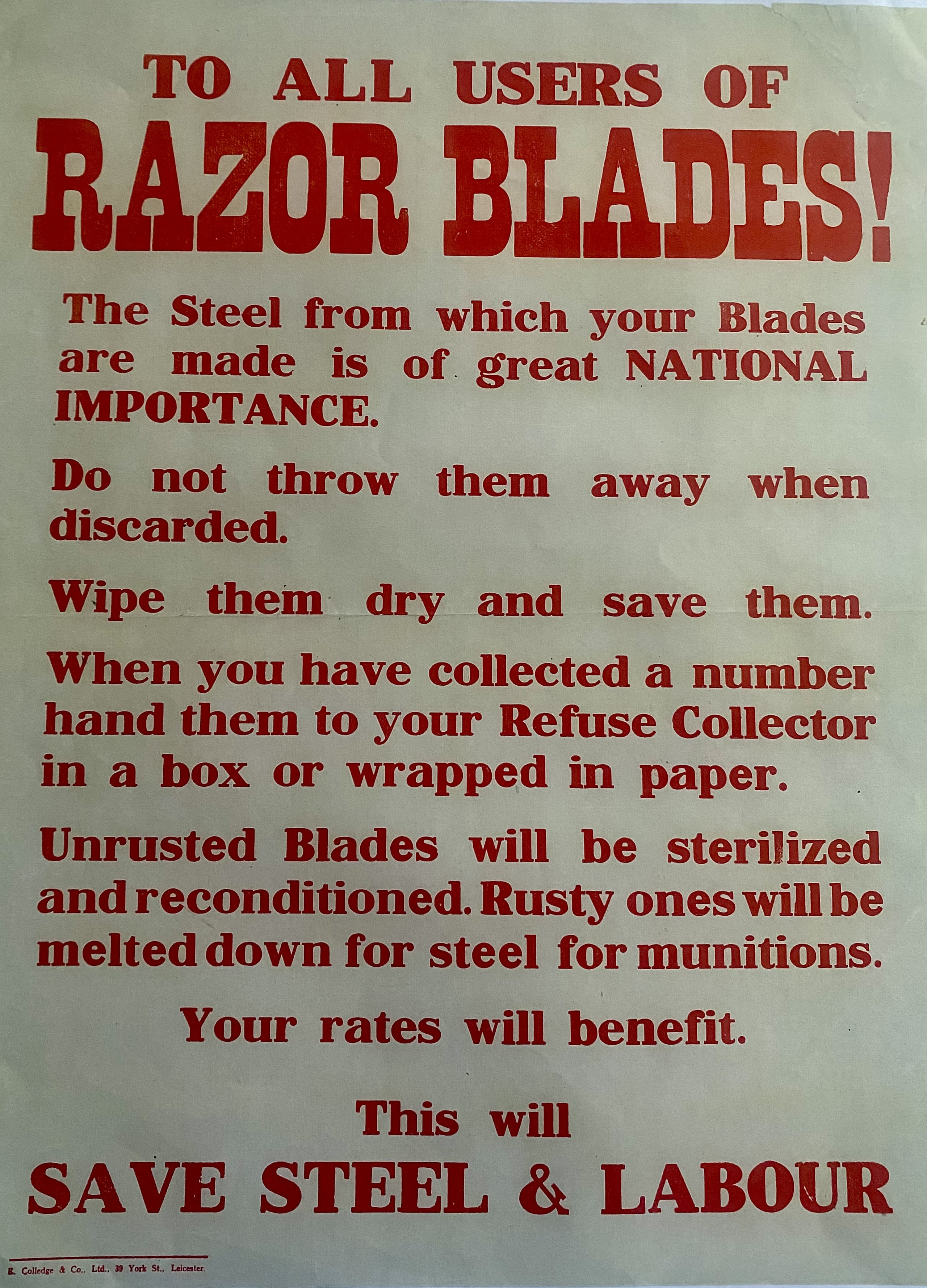
- Used razor blades, though small, contained valuable steel that could be melted down and reused in the production of weapons, tools, or other equipment.
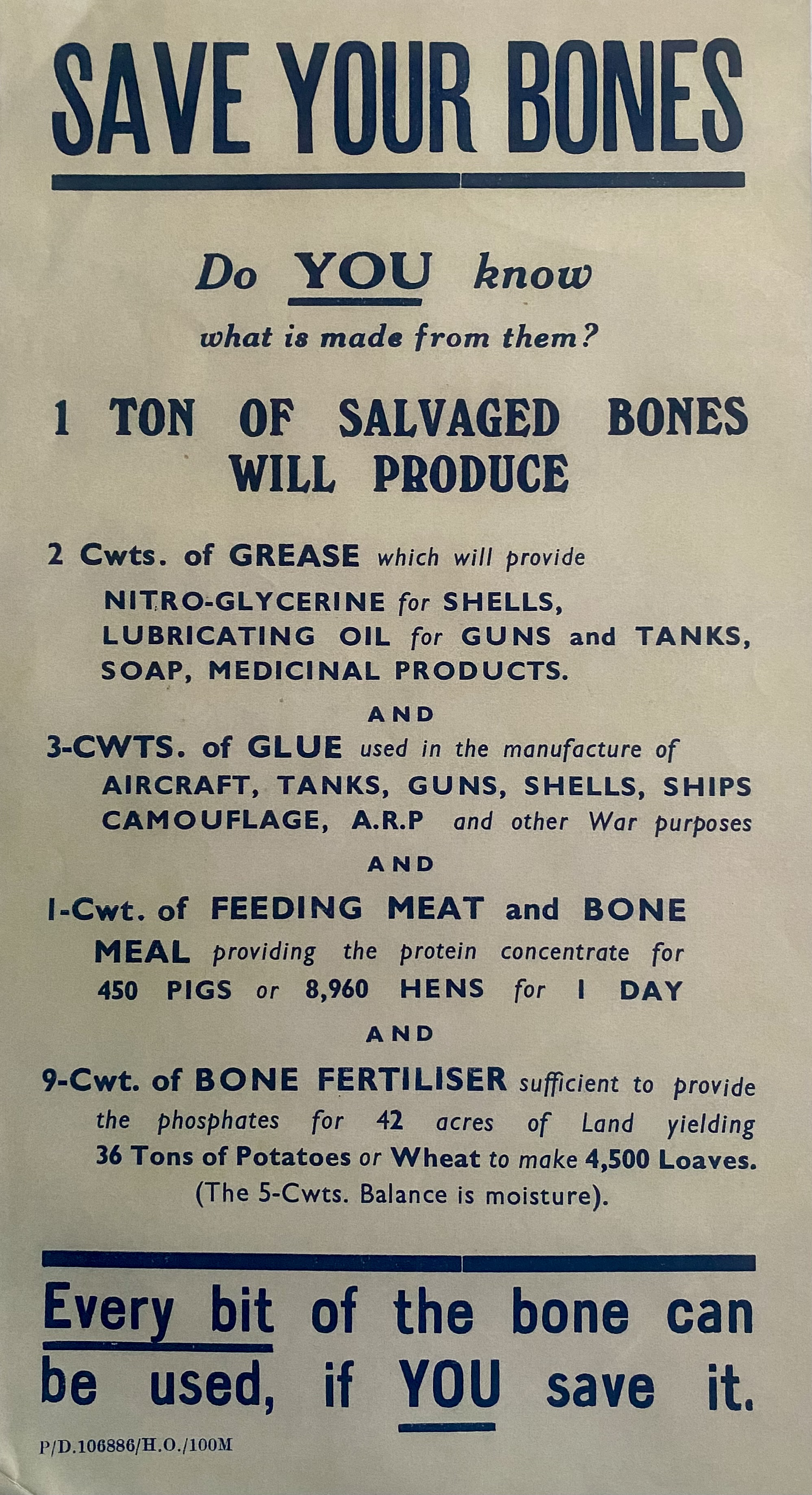
- Bones from cooking were in high demand. These were boiled down to extract glycerine, a key ingredient in explosives such as nitroglycerine. The remaining bone material could also be used to make glue or fertiliser.
- Scrap metal—including old pots, pans, railings, and even garden gates—was collected across the country and recycled into tanks, aircraft parts, and other war machinery.
- Rubber was salvaged from old tyres, hot water bottles, and other items to help make up for shortages caused by disrupted imports.
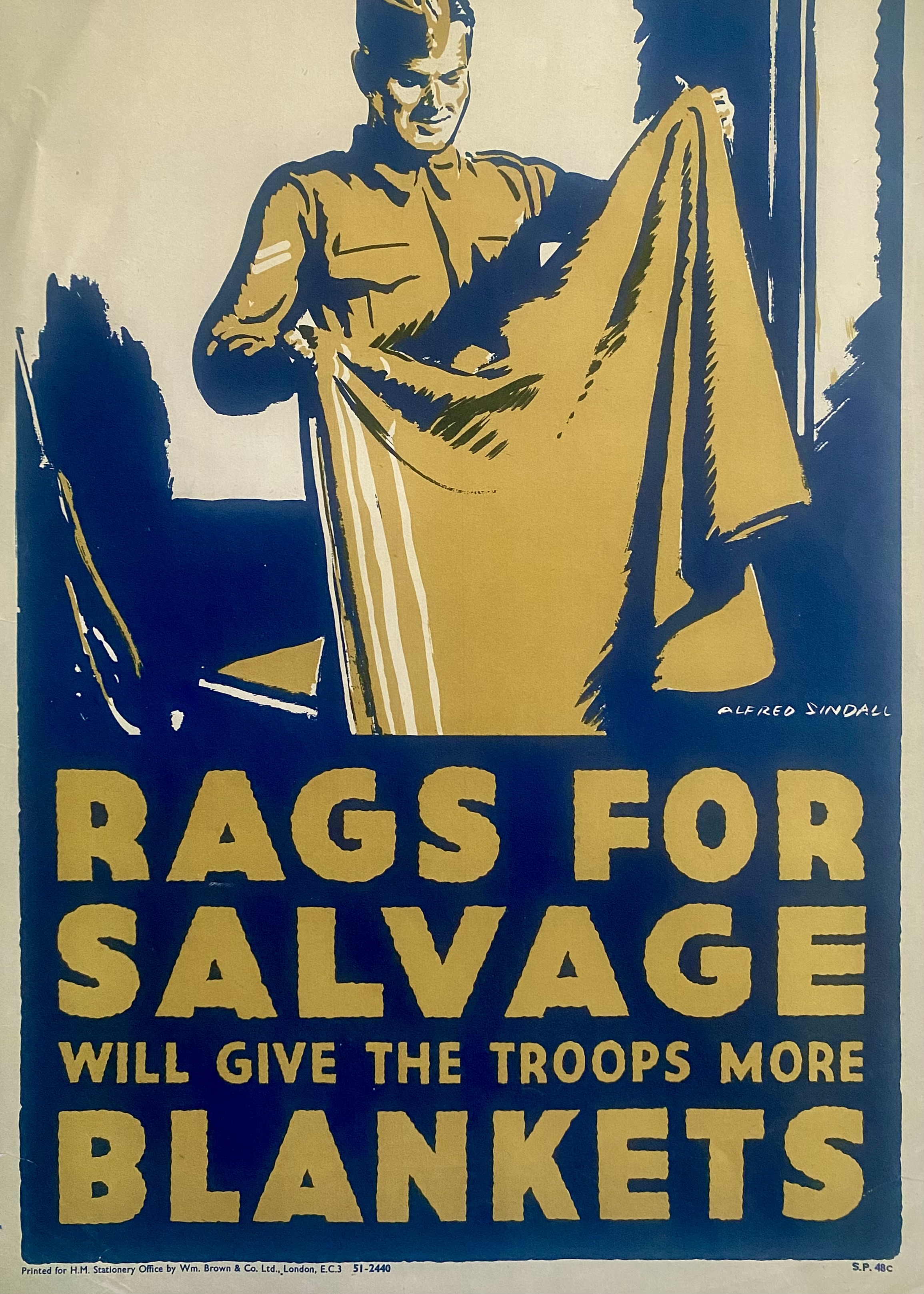
These salvage campaigns were promoted through posters, radio broadcasts and newspaper ads, using slogans such as “Salvage Saves Shipping” and “Waste Not – Want Not”. The message was clear: every item saved or repurposed could contribute to the nation’s survival.
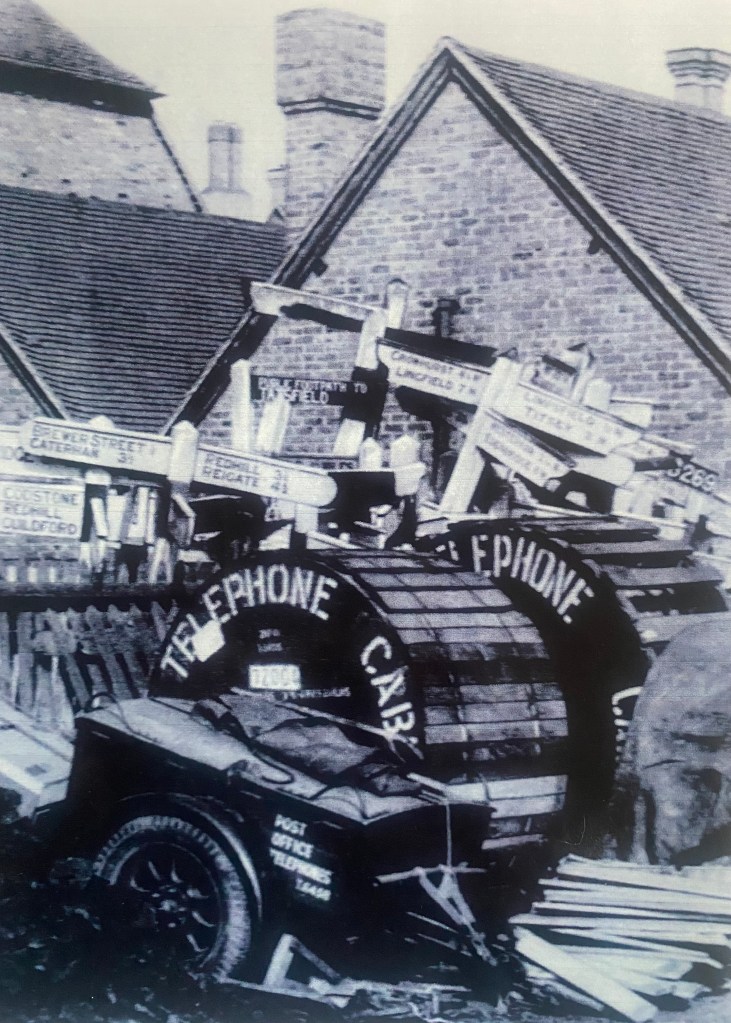
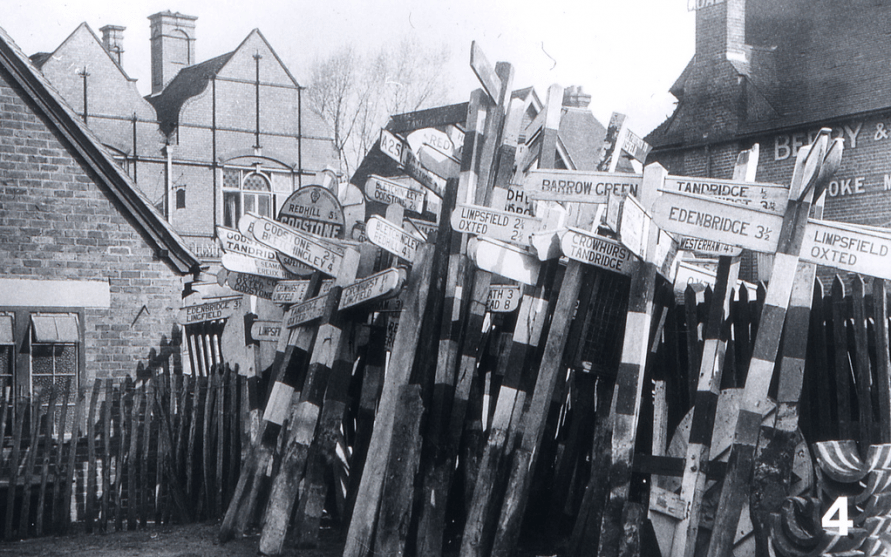
In addition to these efforts, other civil defence measures were put in place. One of the more visible ones was the removal of road signs and direction posts in towns and villages—including Oxted and Limpsfield. This was part of a nationwide policy to hinder and confuse any potential enemy invaders, particularly if German troops landed or parachuted in. Known as the “Silent Countryside” policy, it meant that road signs, signposts, and railway station names were taken down or covered up, leaving unfamiliar areas deliberately difficult to navigate. While inconvenient for locals, it was widely accepted as a necessary precaution.
Together, these acts of resourcefulness and restraint demonstrate how deeply the war effort touched everyday life. From kitchen scraps to local landmarks, even the smallest contributions made by ordinary people were part of a collective push towards victory.
Images: War Effort Posters from the collection by The Two Charlies (Limpsfield) and Signpost photos from The Two Charlies (left) and Bill Curtis, local historian and for Westerham Town Partnership and Westerham Society www.westerhamheritage.org.uk
Discover more from Limpsfield, Surrey
Subscribe to get the latest posts sent to your email.
