This vivid personal account of wartime life in the Limpsfield and Oxted area was written by Hazel Stewart and shared online by Charlotte Gill on behalf of The Dingemans Centre in Steyning. Hazel grew up in Hurst Green, with family in Oxted and Limpsfield—an area that, during the Second World War, was close to key strategic sites such as Biggin Hill and Kenley Airfields.
Her memories provide a moving and detailed glimpse into life on the Home Front: from watching dogfights overhead during the Battle of Britain to sheltering from bombing raids, carrying gas masks to school, and knitting for the war effort. Hazel’s story reflects the strength, adaptability, and community spirit that defined civilian life during the war years in this part of the country.
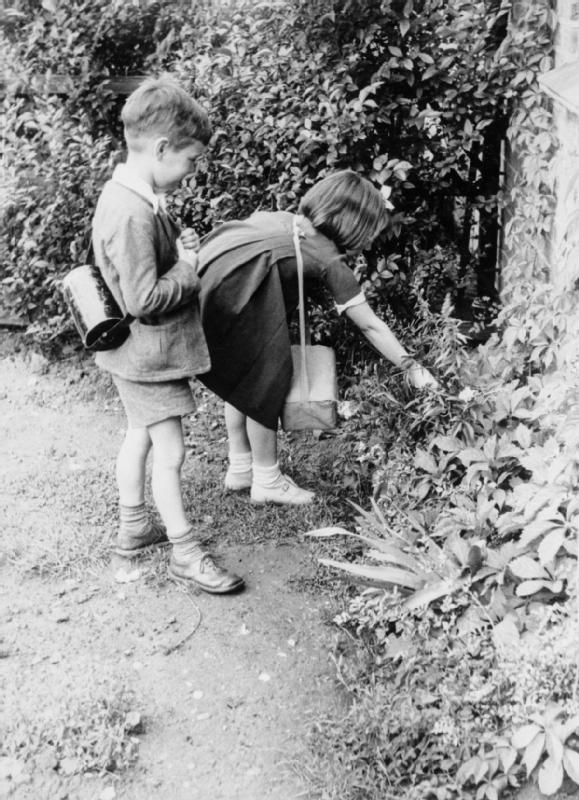
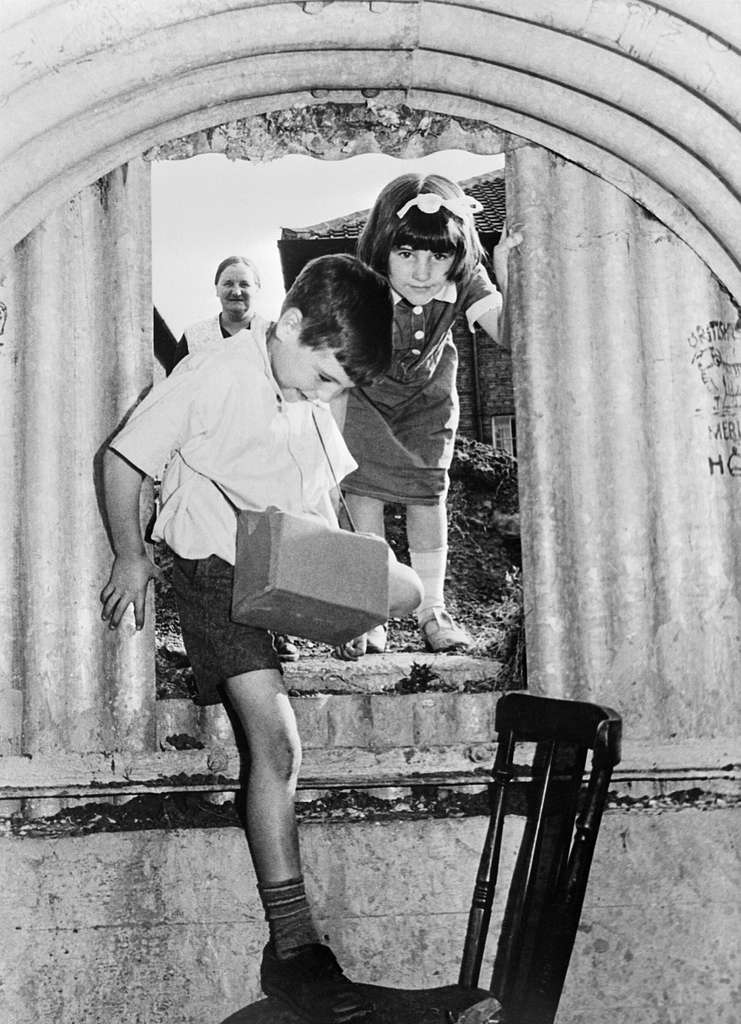
When the war started in 1939 I had just started school. We lived in a village called Hurst Green, three miles out of Oxted in Surrey. We were quite close to Biggin Hill aerodrome. When the Battle of Britain was in progress we could see the dogfights going on above us. We could count the German bombers as they headed for London and see them returning. The air raids went on for hours and we did our lessons in air raid shelters. We had to carry gas masks and we had emergency rations to take with us so we had something to eat.
Everything was rationed; food, clothing and we had ration books with slips of paper for butter, cheese, tea, bacon, meat etc. Living in the country we were better off for food as we could grow a lot more. People kept poultry, pigs and rabbits. We also got food parcels from Australia, as a lot of family members emigrated in the 1920’s for a better life.
I remember the Doodle bugs most. All the time you could hear them you were safe, when they cut out you didn’t know where they were going to land. We had barrage balloons in lots of places to intercept them as they flew over. My father was in the Navy in the First World War having gone to Navy school at the age of twelve. He was disabled out in 1921 with rheumatic fever. He was in the Home Guard in the second war. He was good at taking signals and we saw him sending messages in Morse code.
We had a Morrison shelter in our front room. It was like a huge cage with metal corners and wire mesh at the sides and a huge metal sheet on the top. We slept in this at night.
At one time a German bomber crash landed over the road from us and sprayed our houses with unexploded bombs. We all had to move out until they were all found, so we stayed with an auntie who lived quite close to us. My sister and I did knitting for the war effort and received a certificate to say we had done it.
When the war ended in 1945 all the women gave food and we had a street party to celebrate. After the war all the young men had to do two young men had to do two years National Service in the forces – from eighteen to twenty. I met my husband after he’d finished his National Service – he’d done three years in the army as part of the occupation of Germany.
This story was written by Hazel Stewart and put on the website by Charlotte Gill at The Dingemans Centre in Steyning. You can find this and more on the BBC’s People’s War archives. https://www.bbc.co.uk/history/ww2peopleswar/
Discover more from Limpsfield, Surrey
Subscribe to get the latest posts sent to your email.
