A year or so ago, I received a call from a lovely lady named Helen Goldsworthy from Farningham in Kent. Helen had been sorting through the belongings of her late husband, Malcolm Goldsworthy, when she discovered a remarkable treasure—a book of photographs capturing Limpsfield and the surrounding areas in the late 1800s.
The book had originally been gifted to Mary Emma Cox, Malcolm’s grandmother, by close family friends Mr. and Mrs. Jewell of J.H. Jewell Bookshop and Stationers in Westerham. It was given to her in September 1879, just before her marriage to Major General Walter Tuckfield Goldsworthy—a British Army officer and later a Conservative Party politician—presumably as a keepsake before she moved away from Limpsfield.

A Link to Limpsfield’s Past
Mary Emma Cox was the only child of Charlotte and Harry Cox of Trevereux Manor. Born on 29 October 1847 and baptised in Limpsfield, she was the sole heiress to the family estate. In 1879, she married Walter Tuckfield Goldsworthy, who was ten years her senior and the eldest son of T. Goldsworthy of Calcutta and his wife Sophia.
Walter enjoyed a distinguished military and political career. He served in the British Army, ultimately achieving the rank of Major General, and later became the Conservative MP for Hammersmith, holding the seat from the 1885 general election until 1900 (he died in 1911). The couple had two children—a son, Everard, and a daughter, Winifred. Everard, in turn, had four sons, the youngest of whom was Malcolm Goldsworthy, Helen’s late husband.
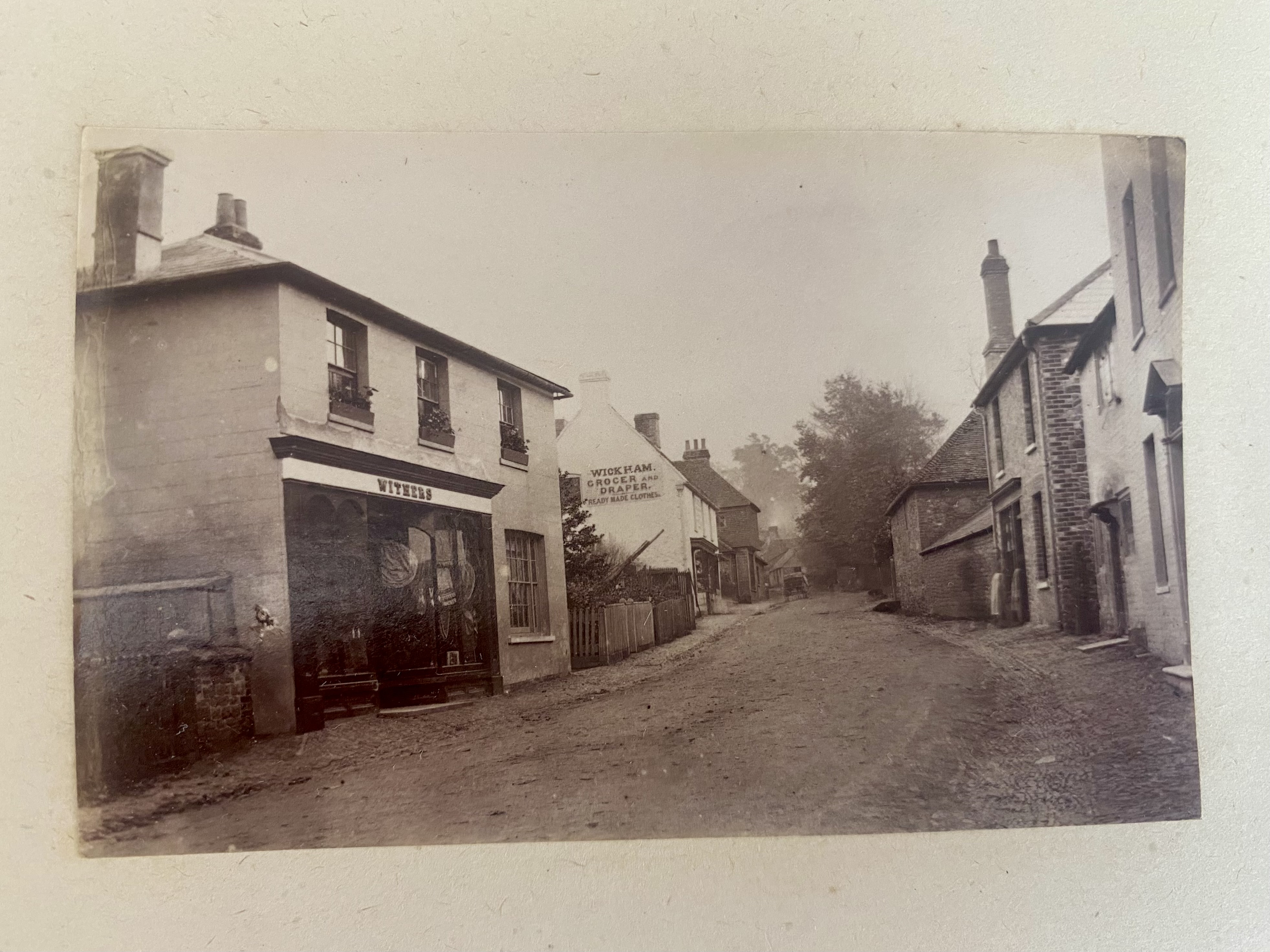
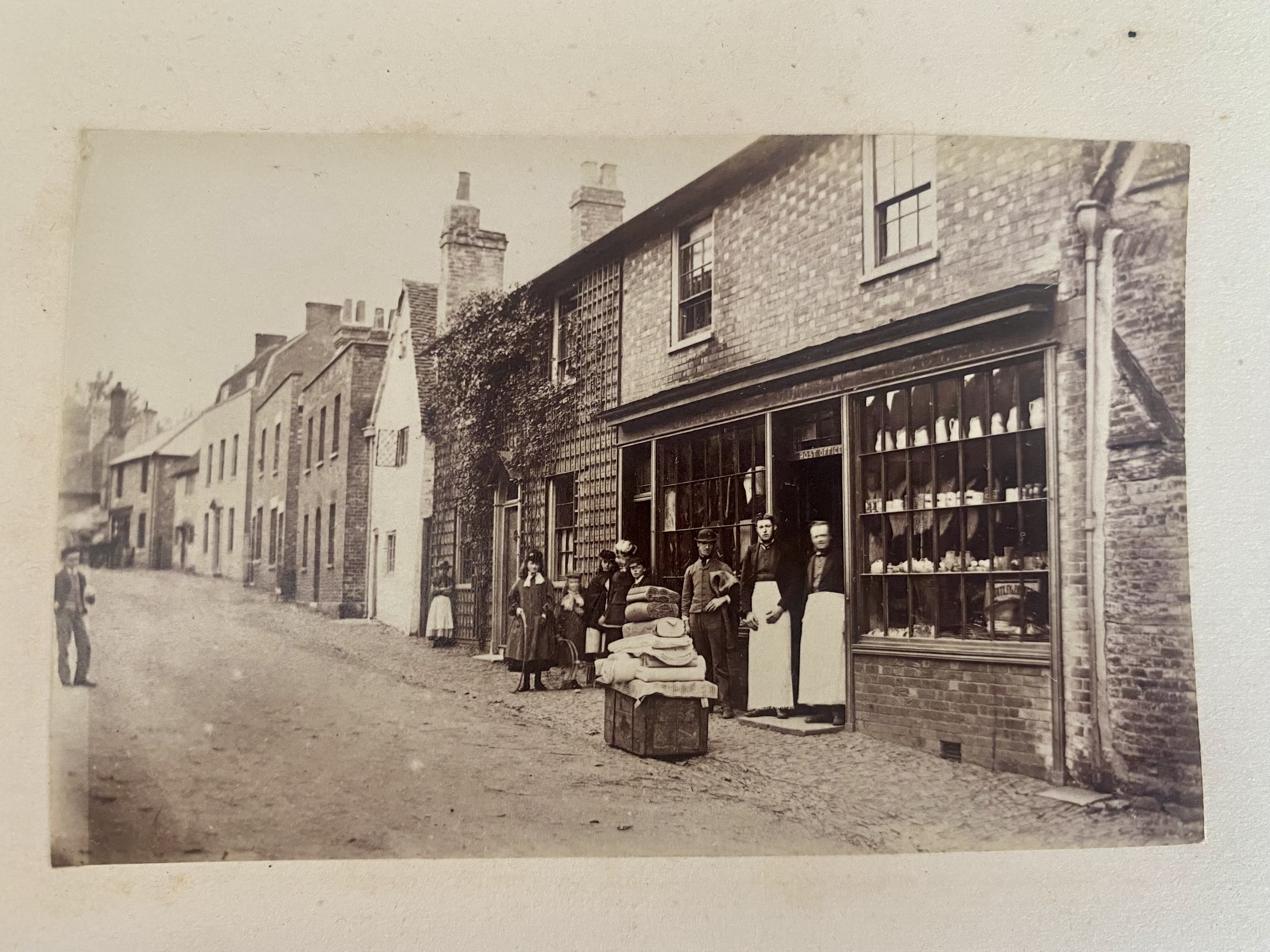
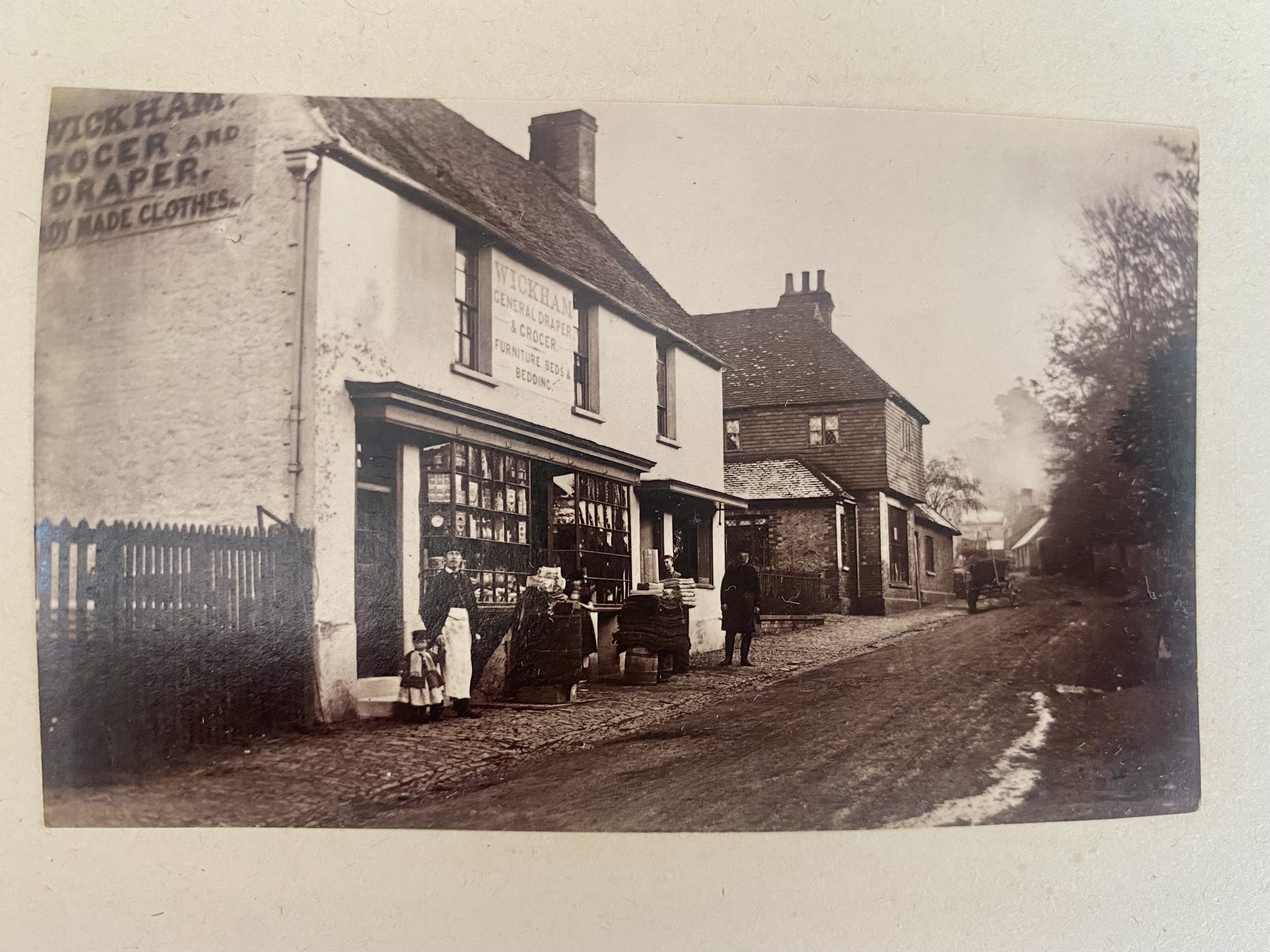
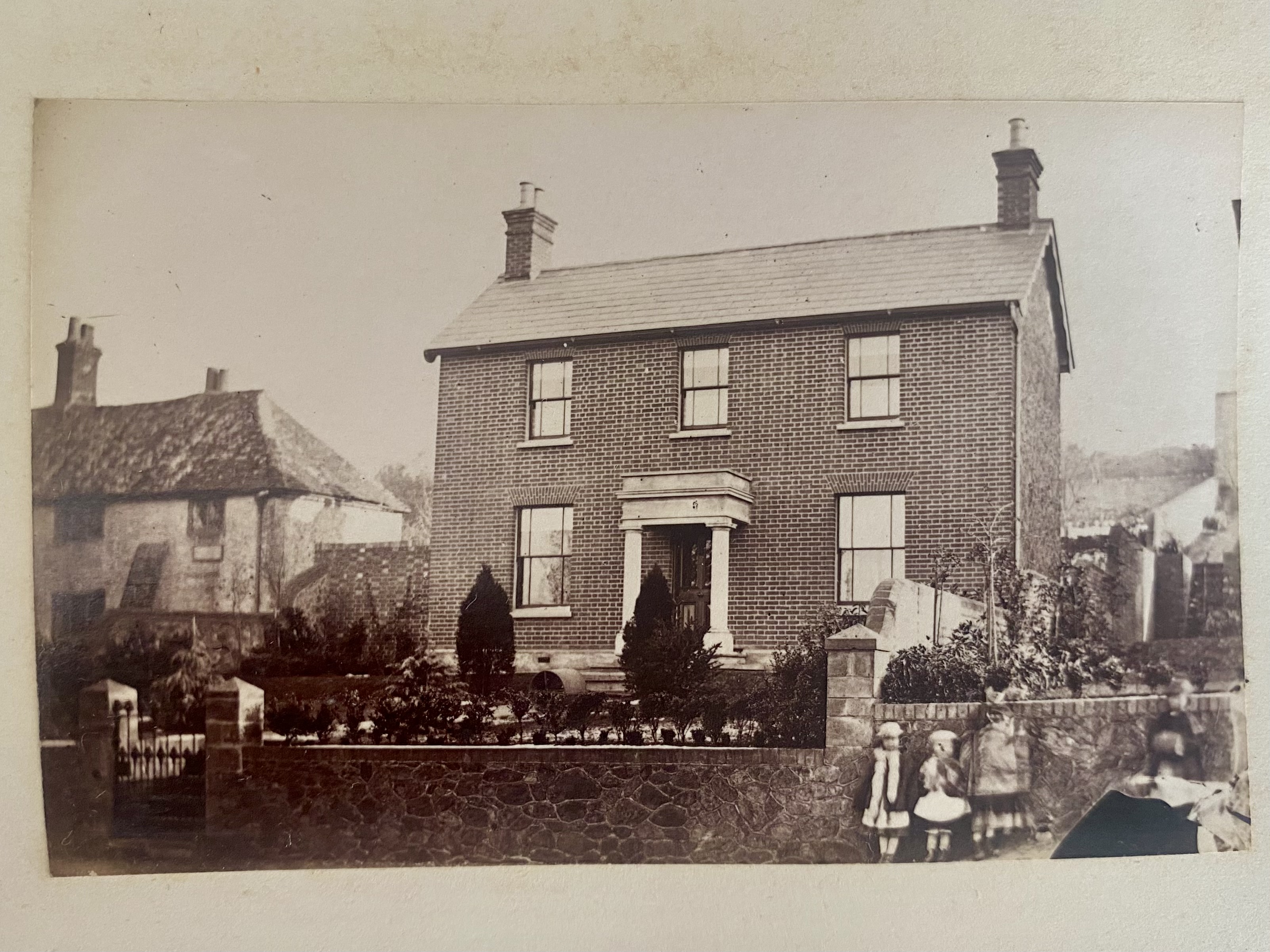
[click on the photos below to see captions]


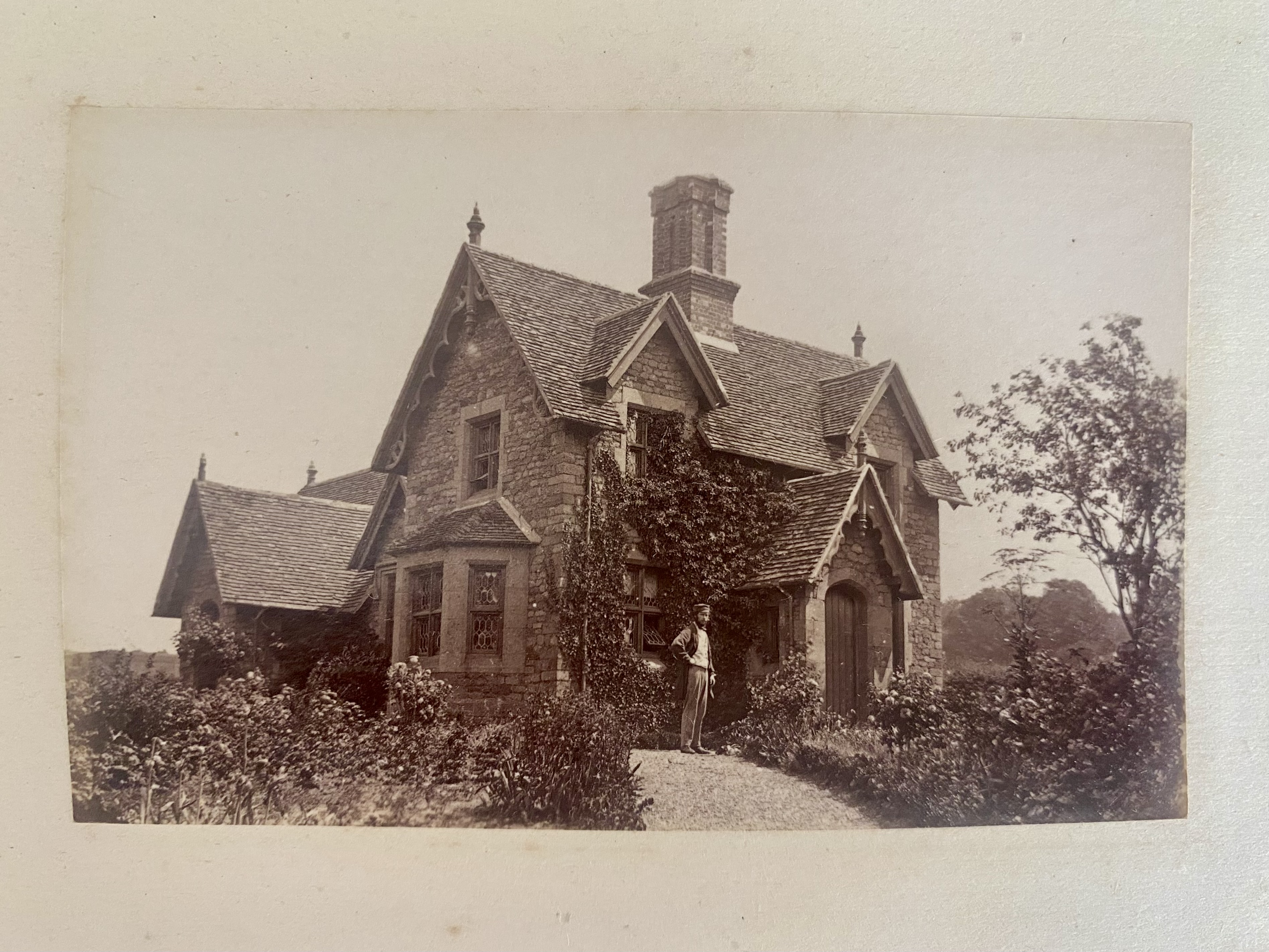
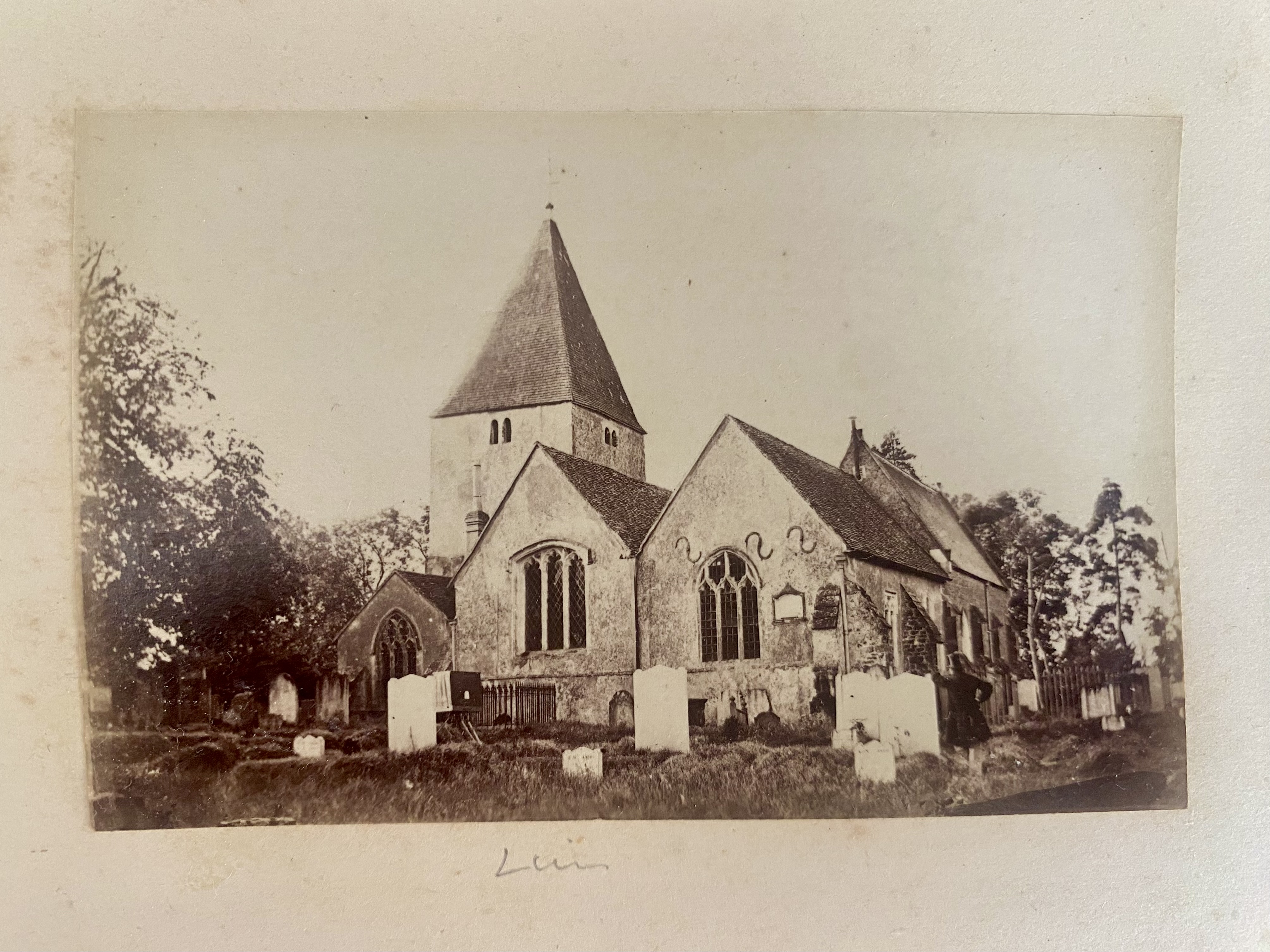


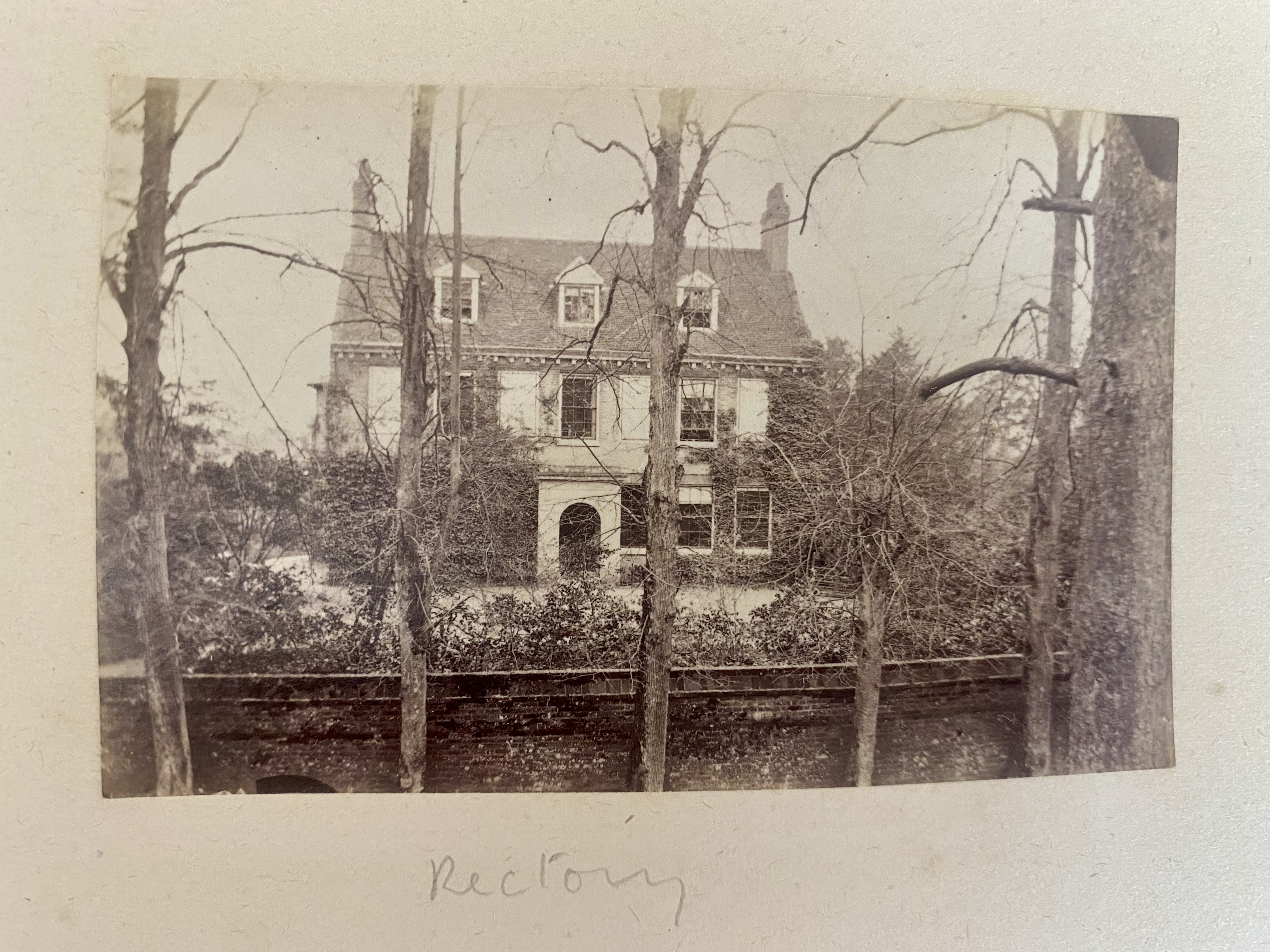


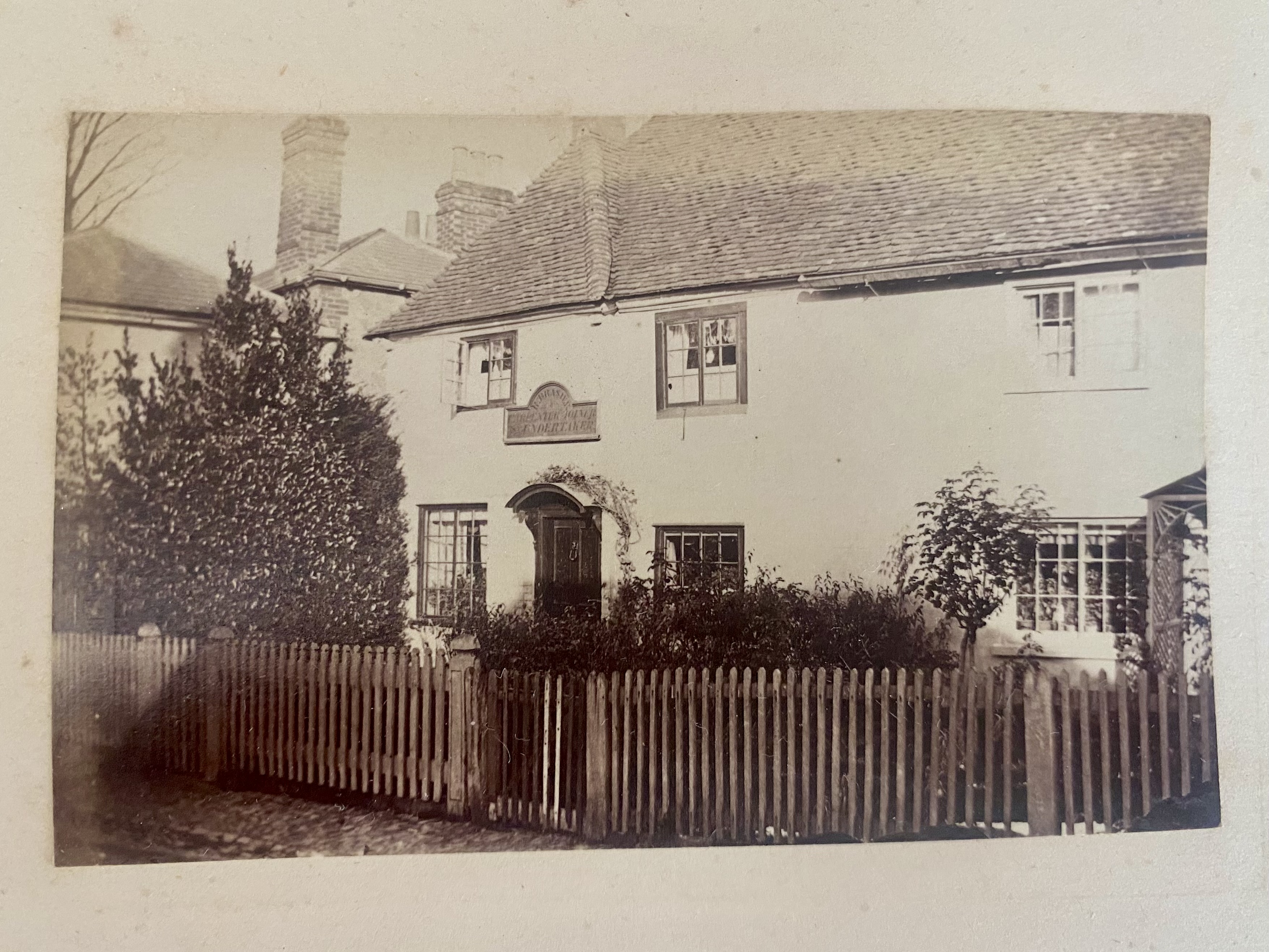





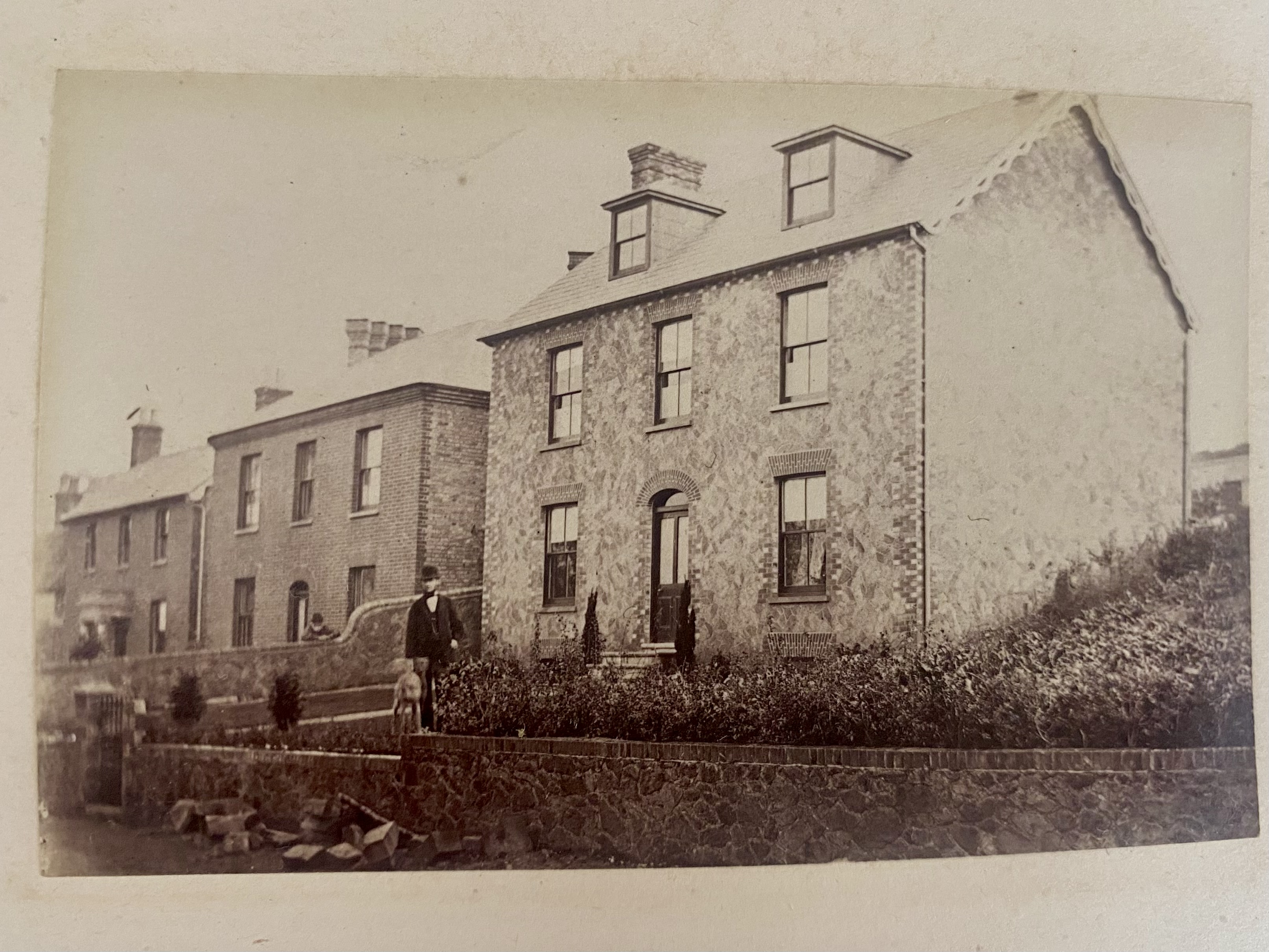
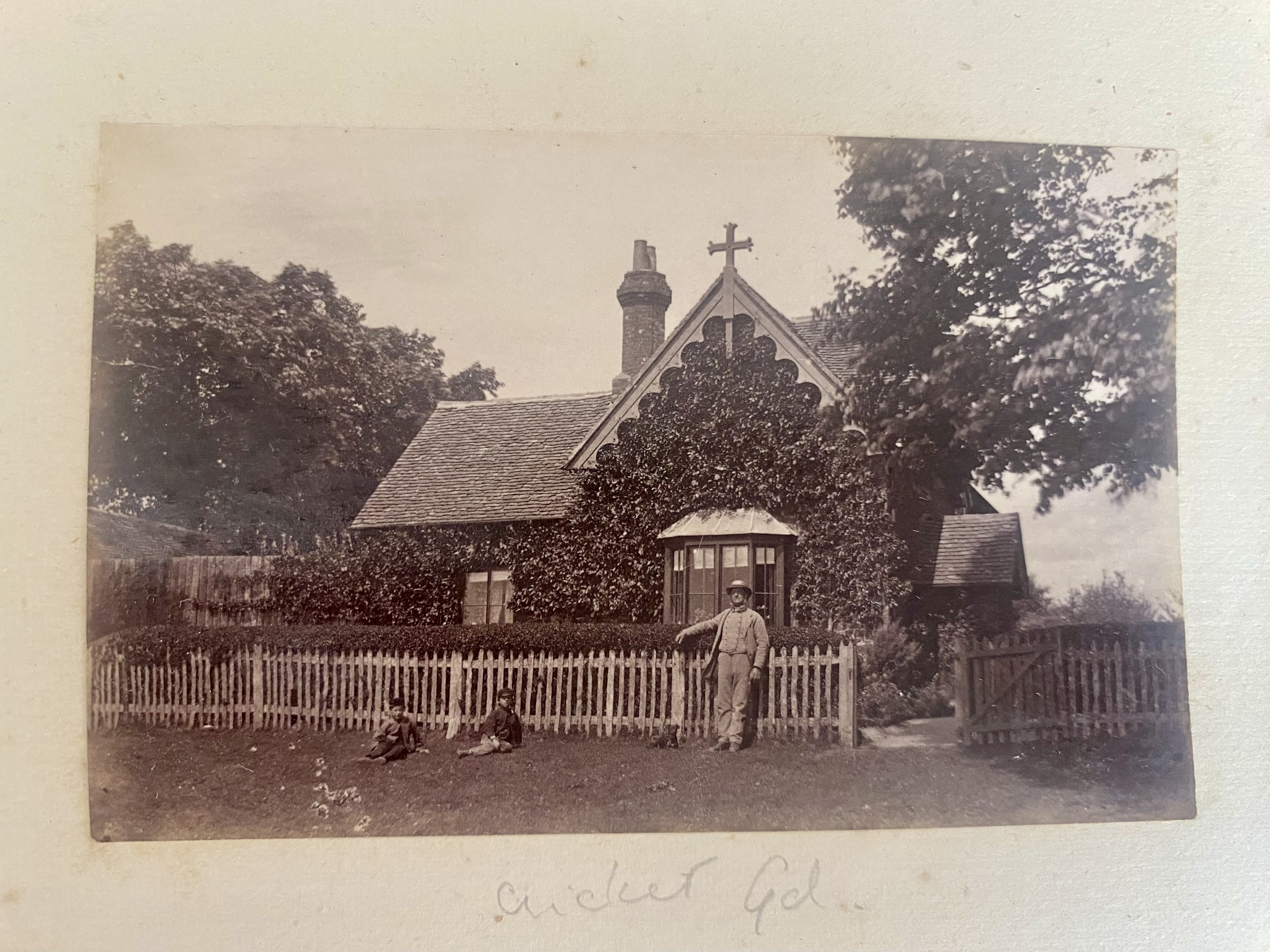


Photographic Time Capsule
The photograph album is a fascinating window into the past. What makes it particularly special is that many of the images include people, bringing the late 19th century vividly to life. Within its pages, you can spot many well-known houses around Limpsfield Village and Limpsfield Chart, along with a few from Oxted, such as St Mary’s Church.
Some of the houses are exactly the same today; others have changed considerably, or at least their surroundings have. Do you recognise them?
Buildings in the above gallery we are sure of include the various houses and former shops on Limpsfield High Street, The Rectory and Church Cottage, The Bull Inn, The Boys Home on Titsey Road, Hookwood House, Manor House, Bowling Green Cottage, aka Cricket Cottage at Grub Street (now home to the RBL Club since 1921), Pebble Hill House, Wolf’s Row, Chart Windmill, Chart School House at the top of Trevereux Hill, The Grasshopper Inn as it was before the faux Tudor extensions were built.
There are also some mysterious characters named in the photos – Colonel Wood and Mrs Griffiths… Do you know anything about them? Mrs Griffiths is potentially photographed at the lake at Trevereux Manor. Please let me know if you have an idea! hello@limpsfieldsurrey.com.
This photo album is not just a beautiful glimpse into Limpsfield’s history, but also a link to a family whose influence extended far beyond the village, touching on British military, political, and social history. Many thanks to Helen Goldsworthy for sharing this remarkable piece of heritage with us all.


A “Fun Fact” with Deeper Meaning
Major General Goldsworthy’s legacy extends beyond his marriage into a Limpsfield family. He also played a small but significant role in the history of the women’s suffrage movement. In March 1886, he presented a petition to Parliament advocating for the extension of the voting franchise to women. While unsuccessful at the time, this moment connects him symbolically to a dramatic local event decades later.
In April 1913, Oxted became the unlikely stage for a Suffragette-linked protest. Harold Laski, a sympathiser of the movement who later became a journalist with the Daily Herald, planted a small explosive device in the men’s lavatory at Oxted railway station. It caused only slight damage but served as a striking gesture in the fight for women’s rights.

Major General Walter Goldsworthy 1837-1911
Notes on Major General Walter Tuckfield Goldsworthy
Walter was born in Marylebone, London, and travelled to India with his father, who had established a merchant business in Calcutta in 1854. Together with his brother, Sir Roger Tuckfield Goldsworthy (1839–1900), he joined Havelock’s Irregulars, a volunteer cavalry unit.
At just 20 years old, Walter served in the Indian Mutiny of 1857, where he earned medals and commendations. His military career advanced rapidly:
- 1859: Promoted to lieutenant without purchase
- 1864: Exchanged into the 91st Foot as a captain
- 1866: Promoted to brevet major
- 1868: Became a full major on half-pay
- 1874: Promoted to brevet lieutenant-colonel
- 1880: Promoted to brevet colonel
- 1882: Became lieutenant-colonel in the Essex Regiment
- Later promoted to Major General
By 1897, he was receiving an annual income of £466 from Indian revenues, representing annuities subscribed to during his service.
Discover more from Limpsfield, Surrey
Subscribe to get the latest posts sent to your email.
